Plastic Injection Moulds and Injection Moulding Service.

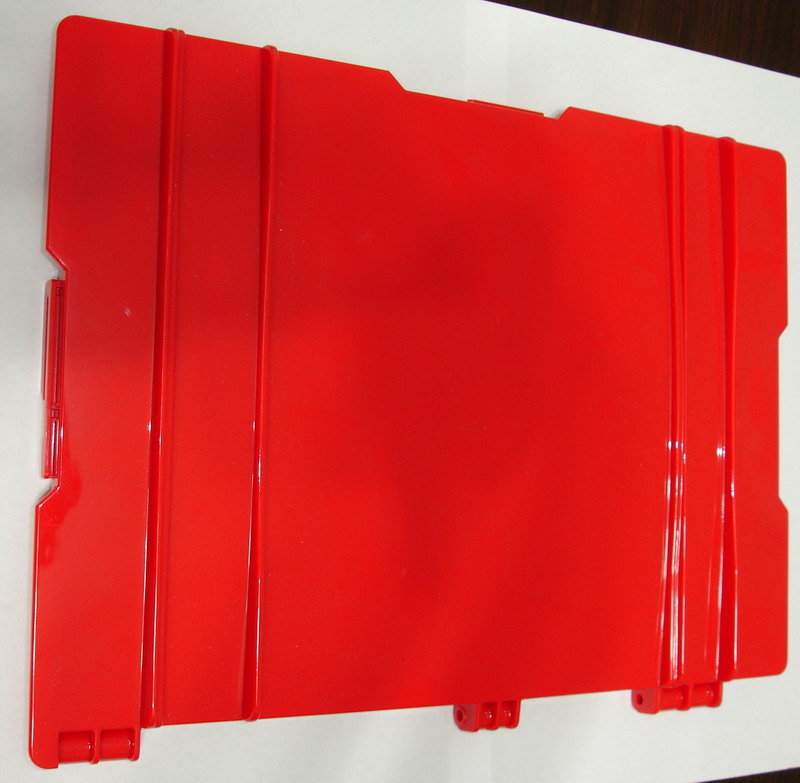
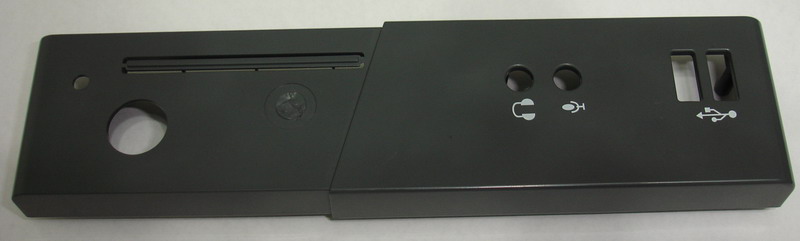
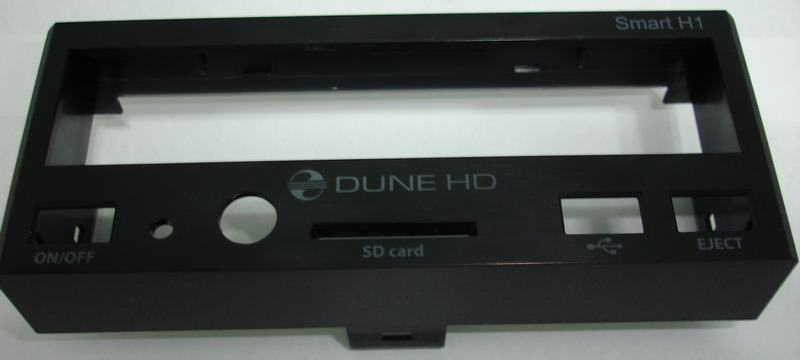
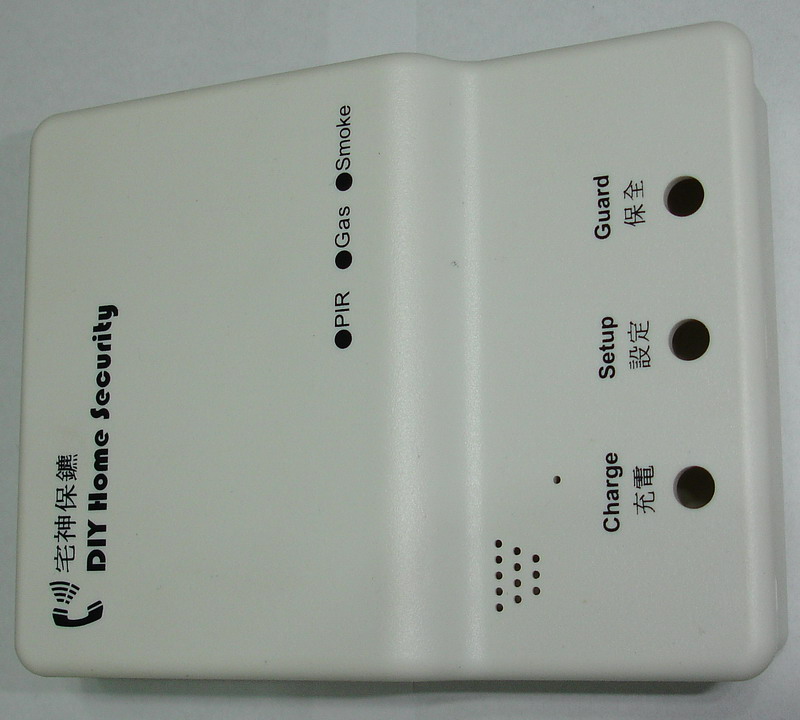
HO-YO has a vast experience in making Plastic Moulds and Injection Moulding Products. We have in-house facility for producing tools and moulds for custom designed plastic injection parts and Injection Molding of high precision plastic components for various Industries, items including Computer and Monitor parts, Television sets, Audio and Video appliances, Telecommunication Equipment, Medical Products, Household Appliances, Car and Motorcycle parts, and other accessories, etc. We manufacture plastic injection moulds for export as well as for in-house production of plastic injection mouldings.

To satisfy your custom plastic injection molding requirements, Ho-Yo has complete in-house injection molding services to help transform your ideas into finished products. Our engineering department has the latest CAD equipment to assist with your part design and to minimize mold design time and cost.


  • We have 90 ton to 800 ton Plastic Injection Molding Machine.
  • We can handle PP, PS, ABS, PC, PBT, PMMA, POM, Nylon A, to various alloy material.
  • High speed Nitrogen gas auxillary.
  • Single Injection and 2-material Double Shot Injection.
  • Coating, Plating, Printing, insertion molding to sub assembly.
Moulding defects Injection moulding is a complex technology with possible production problems. They can either be caused by defects in the moulds or more often by part processing (moulding) Moulding Defects Alternative name Descriptions Causes Blister Blistering / Peeling Raised or layered zone on surface of the part Tool or material is too hot, often caused by a lack of cooling around the tool or a faulty heater Burn Marks Air Burn Localised burnt zone (often in the yellow/brown tones) Tool lacks venting, injection speed is too high Color Streaks Localised change of color Masterbatch isn't mixing properly, or the material has run out and it's starting to come through as natural only Delamination Thin mica like layers formed in part wall Contamination of the material e.g. PP mixed with ABS, very dangerous if the part is being used for a safety critical application as the material has very little strength when delaminated as the materials cannot bond Flash Excess material in thin layer exceeding normal part geometry Tool damage, too much injection speed/material injected Embedded contaminates Embedded Particulates Foreign particle (burnt material or other) embedded in the part Particles on the tool surface, contaminated material or foreign debris in the barrel, or too much shear heat burning the material prior to injection Flow marks Directionally "off tone" wavy lines or patterns Injection speeds too slow (the plastic has cooled down too much during injection, injection speeds must be set as fast as you can get away with at all times) Jetting Deformed part by turbulent flow of material Poor tool design Silver streaks Circular pattern around gate caused by hot gas Sink Marks Localised depression (In thicker zones) Holding time/pressure too low, cooling time too low, with sprueless hot runners this can also be caused by the gate temperature being set too high Short shot Non-Fill / Short mould Partial part Lack of material, injection speeds too slow Splay Marks Splash mark / Silver Streaks Circular pattern around gate caused by hot gas Stringiness String like remain from previous shot transfer in new shot Gate hasn't frozen off Voids Empty space within part (Air pocket) Lack of holding pressure (holding pressure is used to pack out the part during the holding time) Weld line Knit Line Discolored line where two flow fronts meet Mould/material temperatures set too low (the material is cold when they meet, so they don't bond) Warping Twisting Distorted part Cooling is too short, material is too hot, lack of cooling around the tool, incorrect water temperatures (the parts bow inwards towards the cool side of the tool)
 
Injection Moulding Machine for Plastics


Injection Moulding Plastic Parts

Ho-Yo utilise the very best of raw materials and technique available for your moulding work. The following is a selection of materials that are regularly used in our production facility.

Acrylic (PMMA)
Acrylonitrile Butadiene Styrene (ABS)
Modified Polyphenyleneoxide (Noryl mod PPO)
Polyamides (Nylons PA)
Polybutylene Terephthalate (Polyester PBT)
Polycarbonate (PC)
Polyethylenes (LDPE and HDPE)
Polyoxymethylene (Acetal POM)
Polyphenylene Sulfide (PPS)
Polypropylene (PP)
Polystyrene (PS)
Styrene Acrylonitrile (SAN)
Thermoplastic Elastomer (TPE)
Thermoplastic Polyurethane (TPU)
Thermoplastic Rubber (TPR)