| |
||||
|
||||
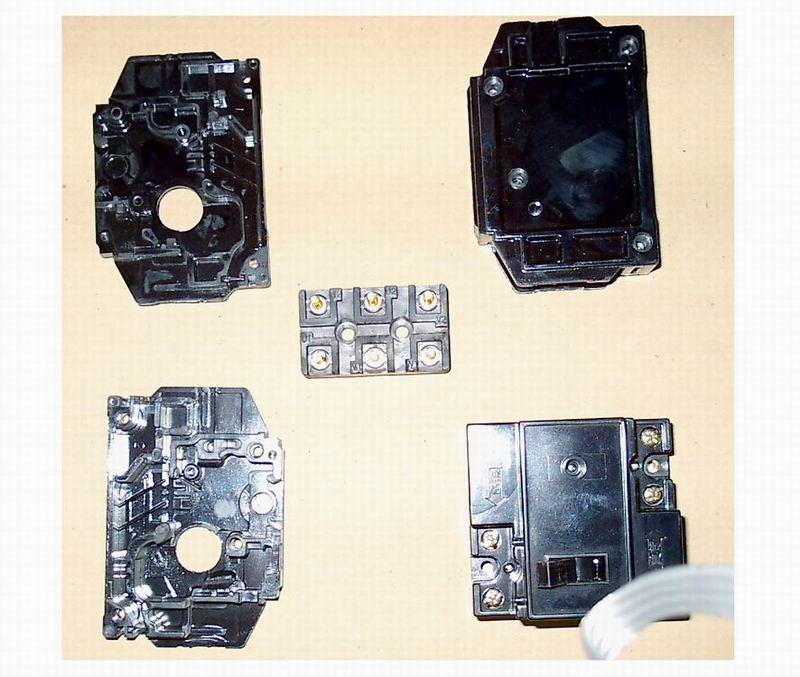
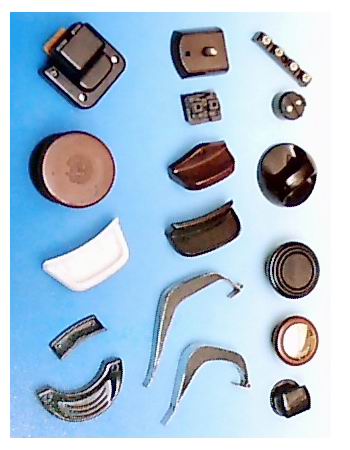
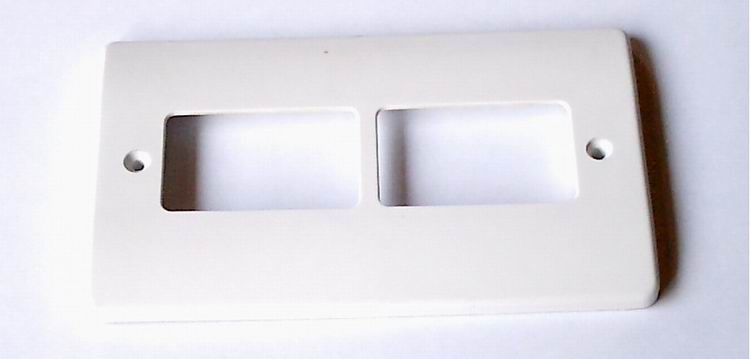
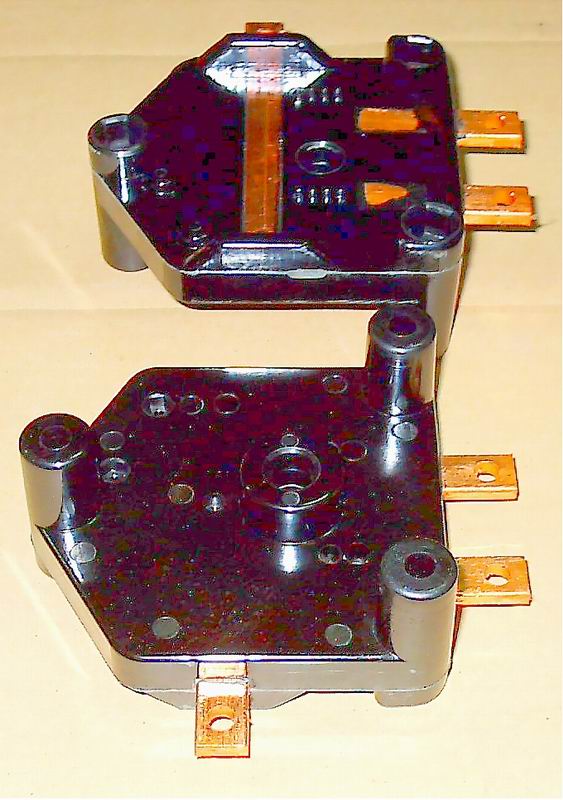
| Compression MouldingOriginally developed to manufacture composite parts for metal replacement applications, compression molding is mostly used to make larger flat or moderately curved parts such as hoods, fenders, scoops, spoilers, lift gates and the like for automotive end-uses. Although this technology is the main processing method used with thermoset resins, it can also be employed to process themoplastic resins such as Ticona’s Compel® and Celstran® long fiber reinforced thermoplastics (LFRT), and GUR® ultrahigh molecular weight polyethylene (UHMWPE).COMPRESSION MOLDING is a term that encompasses several different technologies. Sheet molding compounds (SMC), structural molding compounds, and thermoplastic can all be compression molded on various specialized equipment. One attribute all compression proceesses have in common is the use of premanufactured material or "charge" that is pressed to shape and cured during the molding operation. The compression molding process is presently the most technologically developed and incorporate either continuous or random chopped fibers into a structural composite. The process is more rapid and complex than the labor intensive hand lay up or liquid matched die molding methods that it often replaces, but it has a trade off with respect to fiber alignment. Depending on component shape and charge pattern, compression molding may involve regions of high resin flow that tend to orient fibers in the flow direction. Random orientation is desirable for chopped fiber sheet molding compound and long fiber thermoplastic materials. If directional fibers are desired, flow patterns can be developed. The plastics that are used in compression moulding include: urea formaldehyde, urea formaldehyde resin, melamine formaldehyde and polypropylene (PP).DMC And SMC Moulding Materials The materials are widely known as Dough or Bulk Moulding Compounds (DMC or BMC). In sheet form they are known as Sheet Moulding Compound (SMC). Base ResinsDMC (BMC) and SMC materials are available in various grades and types. Three base resin systems are in common use. Orthophthalic Generally used for lower cost and lower performance applications.Isophthalic Has good heat, chemical and toughness properties. Maleic Used to provide superior surface finishes.How The Materials Are MouldedDMC Two basic moulding processes are used to mould DMC, Compression Moulding and Injection Moulding. Smaller components are usually made by the injection moulding process. Larger components being compression (or transfer) moulded. In Injection moulding the material is loaded into the barrel of the machine. A stuffer plunger forces the material into the screw area of the machine. The screw and barrel are heated to pre-warm the material. The material flows into the mould via runners. The moulds are heated which cures the resin content and hardens the now moulded part. When Compression moulded, the operator pre-weighs a charge of material and places it into the open mould. The heated mould and pressure flows the material into the cavity. The heat cures the resin, which hardens the moulded part. A derivative of compression moulding is Transfer moulding. The charge of material is placed in a chamber within the tool. The mould is closed and a ram acts on the chamber forcing the material to flow via runners to the cavity of the tool.SMCThe main process for moulding SMC material is Compression moulding. The film is stripped off and the material is cut into suitable pieces. These are collated into piles of material, which are called the charge. This is positioning in the mould tool. Heated moulds are used and a compression pressure is applied. The base resin being a thermosetting material cures and hardens. The part is ejected. Any flash is trimmed by the operator. ApplicationsDMC & SMC components are hard, rigid mouldings with excellent electrical resistance properties. They have replaced glass and ceramics for insulating applications. The manufacture of large flat panel type mouldings, with excellent strength, are used for commercial vehicle body parts. The primary application of this technology in the automotive industry has been for grille opening panels and, on selected vehicles, exterior panels. Tailgates, and hoods are two other examples of vehicular use of the SMC process. The entire cab of selected heavy trucks is also produced using this process. |
|
Home Mold & Tools Plastic Compression Moulding Die Casting Screen Plastic Show Room Information Contact Us Resources Links Site Map |
|